Making With the Seasons: Climate, Harvest, and the Material Year

Step into a living calendar where skilled hands follow weather, soil, and sunlight. We explore Seasonal Rhythms of Makers—how climate and harvest cycles shape work and materials—revealing production schedules, design choices, and community rituals that turn changing skies into reliable guidance, resilience, and joy.

Mapping the Material Year

Across fields, forests, and studios, the availability and behavior of materials follow a quiet but precise calendar. By mapping when fibers, timbers, clays, resins, waxes, and pigments are at their best, makers can time gathering, processing, and assembly to reduce waste, elevate quality, and protect ecosystems.

Fibers in Field and Flock

Linen begins as flax sown in spring, pulled in summer, retted by water, dew, or snow, then broken and spun when evenings lengthen. Wool arrives after shearing cycles, often spring, washed before heat helps drying. Nettle, hemp, and cotton each carry regional calendars demanding attentive timing.

Timber, Cane, and Vines

Wood felled during winter dormancy carries less sap, dries more evenly, and moves predictably in joinery. Willow rods are cut when leaves have fallen; grapevine prunings feed rustic weaving; bamboo and rattan demand careful seasonal selection to balance strength, pests, and flexibility for bending and binding.

Earth, Pigments, and Dyes

Clay dug after rains can be plastic yet risky to store unless slaked and settled; drying windows decide cracking or success. Indigo loves warmth for fermentation; walnut hulls stain deepest in late summer; madder roots, marigold heads, and lichens teach patient collecting guided by place-specific cues.

Weather as Workshop Partner
Temperature, humidity, wind, and light become silent collaborators, changing how adhesives set, finishes cure, fibers relax, and boards swell. Learning to read forecasts, trust hygrometers, and build buffers transforms surprise delays into planned pauses that protect pieces, tools, and the maker’s energy.
Wood seeks equilibrium with surrounding air, expanding across grain as seasons shift. By orienting growth rings, choosing stable species, and allowing breathing joinery, cabinets behave gracefully. Makers track relative humidity, sticker stacks for airflow, and time planing passes to mornings before heat drives sudden swelling.
Epoxy tolerates narrow temperature ranges; hide glue appreciates warmth; linseed oil wants oxygen and patience. Finishes blush in damp fogs and harden beautifully in dry breezes. Smart scheduling matches chemistry to forecasts, staging sanding, coating, and burnishing on days that gift consistent, forgiving conditions.
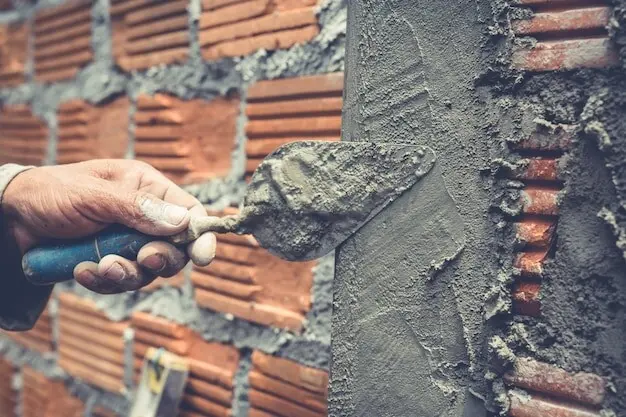
Thick walls trap moisture longer during rainy spells, so potters slow the pace with loose plastic wrap, fans, and patience. Bisque loads are staged only when bone-dry edges ring true. In monsoon regions, community kilns coordinate firings around breaks to spare fuel and heartbreak.

Scheduling Craft Around Cycles

{{SECTION_SUBTITLE}}
Batching and Staggering Workflows

When dye vats are warm or resins cure cleanly, batch repetitive tasks and push volume. In colder or wetter weeks, pivot to design, sharpening, accounting, or quiet handwork. Stagger projects so dependencies resolve gracefully, freeing time to respond to weather swings without panic or burnout.

Inventory as Preserved Sunlight

Seasoned boards, wax blocks, dried herbs, and bottled pigments are summer’s energy saved for winter benches. Treat storage as part of making: label moisture content, seal jars against humidity, and rotate stock. A thoughtful pantry cushions delays, stabilizes pricing, and protects promised delivery windows.

Stories from the Bench and Field

Real days, real weather: the truest teacher. These vignettes travel from coastlines to mountain valleys, showing how decisions taken by touch, smell, and sky-reading reshape outcomes. Techniques shine, but so do pauses, pivots, and patient waiting that protects quality and protects spirit.

Boatbuilder Between Storms

He listens to the marine forecast before mixing epoxy, knowing cold swells slow cure and sudden squalls drive humidity through tarps. Planks bend truer on crisp mornings; caulking bites better after a drying northerly. Delivery dates here are written in anchorages, tides, and safe windows.

Dyer Following the Moonlit Indigo

She times leaf harvests for late-summer blue, keeps vats warm with composting straw, and tests reduction with a wet fingertip shimmer under lantern light. Rainy weeks shift her to stitching and mending, while clear spells invite cloth to oxidize into skies that deepen overnight.

Basketmaker After the Frost

He wades the willow beds when sap rests, cutting rods that dry straight and peel clean come spring. A frost-bitten morning grants crispness to splits; binding goes faster with steady breath. Summer is for teaching, winter for stock, and spring for quiet experiments.

Designing With Seasonal Intelligence

Objects last longer and feel truer when they acknowledge weather. By embedding breath in joints, planning reversible details, and choosing palettes that mirror orchards, shorelines, and skies, pieces gain calm through extremes, returning to service without drama as seasons roll through workshop and home.

Modularity and Allowance

Floating panels, drawbored pegs, and slotted screw holes let timber swell and shrink gracefully. Ceramic lamp shades hang on forgiving clips for temperature swings. Textile seams invite small expansions. Designing joints to breathe honors the living origin of materials and respects the realities of moisture and heat.

Material Substitution with Integrity

When drought dims a dye or storms damage a crop, alternatives can uphold spirit without pretense. Swap imported cane for locally coppiced hazel, or shift from shellac to plant-based oils. Share the reasoning openly so stories, not secrecy, carry changes with honesty and care.

Ecology, Ethics, and Resilience

Working with living landscapes asks for reciprocity. Mindful harvest protocols, community agreements, and diversified material streams buffer shocks from fires, floods, or heatwaves. Aligning practice with local ecology protects habitats, uplifts growers, and ensures tomorrow’s shelves hold beauty shaped by care rather than extraction.

Regenerative Harvest Protocols

Cut willow stools on rotations, leave seed heads for birds, and respect minimum diameters for bark and cane. Pay fair rates to foragers who monitor stands year-round. Simple logs and maps transform gathering into stewardship, where abundance is measured across seasons, not within this afternoon’s basket.

Local Knowledge as Technology

Farmers, fishers, herders, and park crews hold data richer than spreadsheets: the week the river clears, the day the sap sweetens, the hour winds flip. Invite elders and neighbors into planning so intuition and instrumentation together guide safer sourcing and wiser scheduling.

Seasonal Releases and Preorders

Announce windows clearly: the week saplings are cut, the month indigo is strong, the quarter when oils cure truest. Offer preorders that reserve stock without rush. This transparency sets expectations, funds fair harvests, and invites customers into the thrill of well-timed readiness.

Workshops Timed to Nature

Teach basketry when rods peel, dyeing when flowers open, wood finishing when breezes run dry. Students gain technique and judgment together, learning to read cues that manuals overlook. Registration lists grow when classes feel like pilgrimages anchored to place, weather, and celebratory community meals.
Zavotelilivopalosanosavi
Privacy Overview

This website uses cookies so that we can provide you with the best user experience possible. Cookie information is stored in your browser and performs functions such as recognising you when you return to our website and helping our team to understand which sections of the website you find most interesting and useful.