Set Sail with the Craft of Wooden Boatbuilding

Today we turn our hands toward boatbuilding, celebrating the patient craft that transforms raw timber into seaworthy grace. We will wander from forest to shoreline, tracing curves, measuring balance, and honoring the shipwright’s wisdom learned through calluses, sea trials, and storms. Expect stories from traditional yards, practical guidance you can try, and quiet moments where shavings curl like waves. Whether you dream of a small dory or a bluewater cutter, the journey begins here, alongside makers who measure twice and launch with humble courage.

From Dugouts to Lapstrake

Hollowed logs gave many communities their first passage over water, and each incremental improvement—added strakes, finer ribs, smarter fastenings—expanded horizons. Lapstrake construction, with overlapping planks, brought lightness and strength, letting small crews travel farther. Those laps shed spray and whisper histories of Nordic coasts and working harbors. Examining these evolutions reveals why certain shapes persevere. When you fit your first plank and see daylight disappear along a perfect lap, you join a lineage measured in shorelines, not years.

Timber Lore: Oak, Cedar, and Pine

Shipwrights speak of wood like friends: white oak for steadfast frames, cedar for forgiving planks, pine for masts that sing in a breeze. Each species carries unique memory—grain orientation, moisture habits, aroma in the shop. Selecting boards becomes a conversation about weight, movement, and longevity. You listen to knots, follow growth rings, and anticipate swelling against salt. Understanding timber lore protects you from false economies and honors forests that gift buoyancy. The right board today saves years of maintenance tomorrow.

Tools That Sing with the Grain

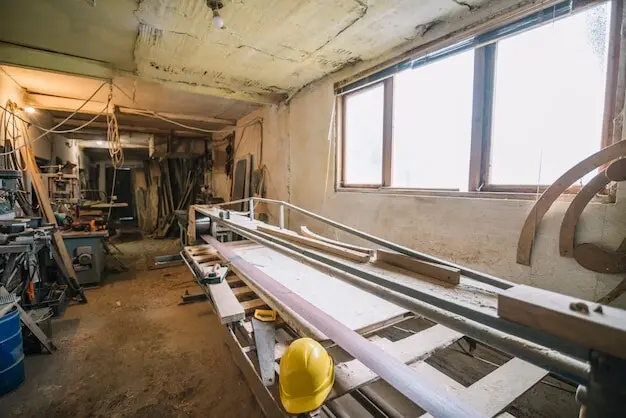
Before motors drown the room, there is the satisfying hush of a razor-sharp plane skating along cedar, the steady heartbeat of a mallet setting rivets, and the careful dialogue of spokeshave to edge. Correctly tuned tools reduce force and reveal shape hidden inside fibers. They also slow time, inviting attention to fairness and flow. You will sharpen more than you cut, and that ritual becomes meditation. In this companionship between iron and wood, boats begin to breathe even before touching water.

Design That Floats: Lines, Balance, and Purpose

A beautiful hull fails if it pounds, drags, or frightens a crew. Good design translates dreams into numbers and curves that obey water’s rules. The lines plan becomes a promise of behavior: how the bow parts chop, how the stern releases, how each pound of load settles. You reconcile prismatic coefficients with human comfort, weight placement with intention. Sketches turn to lofting on the floor, chalk dust tracing destiny. When shape matches purpose—fishing, voyaging, teaching—safety and joy multiply in every mile.

Joinery Against the Tide

{{SECTION_SUBTITLE}}

Scarf Joints that Disappear

A perfect scarf hides in plain sight, its fibers sharing work instead of concentrating stress at a blunt edge. Ratios matter, grain direction matters, and patience matters most. You practice on scraps until plane tracks align and epoxy squeezes, not floods. Dry fits reveal secrets you missed, and clamping becomes choreography. When the joint vanishes under varnish and survives the first hard tack, you realize craftsmanship is geometry married to restraint, and beauty is merely the shadow of strength executed well.

Steam-Bending Frames Safely

Heat, moisture, and timing turn stiff stock into obedient curves, but only with respect for safety and planning. Steam boxes demand ventilation, gloves, and choreography where helpers know their cues. Seconds count as fibers relax, bend, and cool into permanence. Templates guide accuracy; generous radii preserve dignity in the wood. Springback will test assumptions, so overbend intelligently. When frames nest into the hull like ribs into a chest, the boat’s heartbeat becomes audible, and the shop briefly smells like rain.

Shaping Hulls, Shaping Lives

Building a boat changes more than your weekends; it rearranges patience, humility, and the way you assess weather. You learn to celebrate millimeters and endure splinters. You become fluent in tides, adhesives, and long cures that mock calendars. Friendships deepen around sawdust and shared problem-solving, and time folds as elders’ advice suddenly fits your hands. When the hull finally turns and light strikes its fairness, you glimpse who you became while thinking you merely made something that floats and points homeward.

Care, Repair, and Sea Trials

Finishing is only the beginning. Saltwater tests joints, sunlight scolds finishes, and schedule slippage becomes normal. A maintenance plan is an act of love: calendars for paint, rituals for bilge checks, lists for spare parts. Sea trials are classrooms where squeaks confess truths. You will chase drips, retune rigging, and adjust ballast by experience rather than guesswork. Document everything, celebrate small fixes, and teach your crew where wrenches live. Longevity favors those who listen early and respond calmly, one tightened fastener at a time.
Community, Sustainability, and the Next Wave

No craft survives alone. Responsible builders ask where wood grows, who mills it, and how forests recover. They share jigs, mistakes, and victories, welcoming eyes younger and sharper. Digital archives meet handshakes at boat shows; apprenticeships bloom beside online courses. Diversity of builders strengthens design, stewardship, and stories. When a child’s hands find a block plane and smile, the future brightens. Our duty is to protect waters, choose materials wisely, and keep doors open, so tomorrow’s hulls carry wider hopes farther.
Zavotelilivopalosanosavi
Privacy Overview

This website uses cookies so that we can provide you with the best user experience possible. Cookie information is stored in your browser and performs functions such as recognising you when you return to our website and helping our team to understand which sections of the website you find most interesting and useful.